
 Arbitration Rules
 Model Clauses
 Arbitral Procedure
 Arbitrator Search
 Arbitration Fees
 Arbitration Filing
 Arbitrators
 Contact Us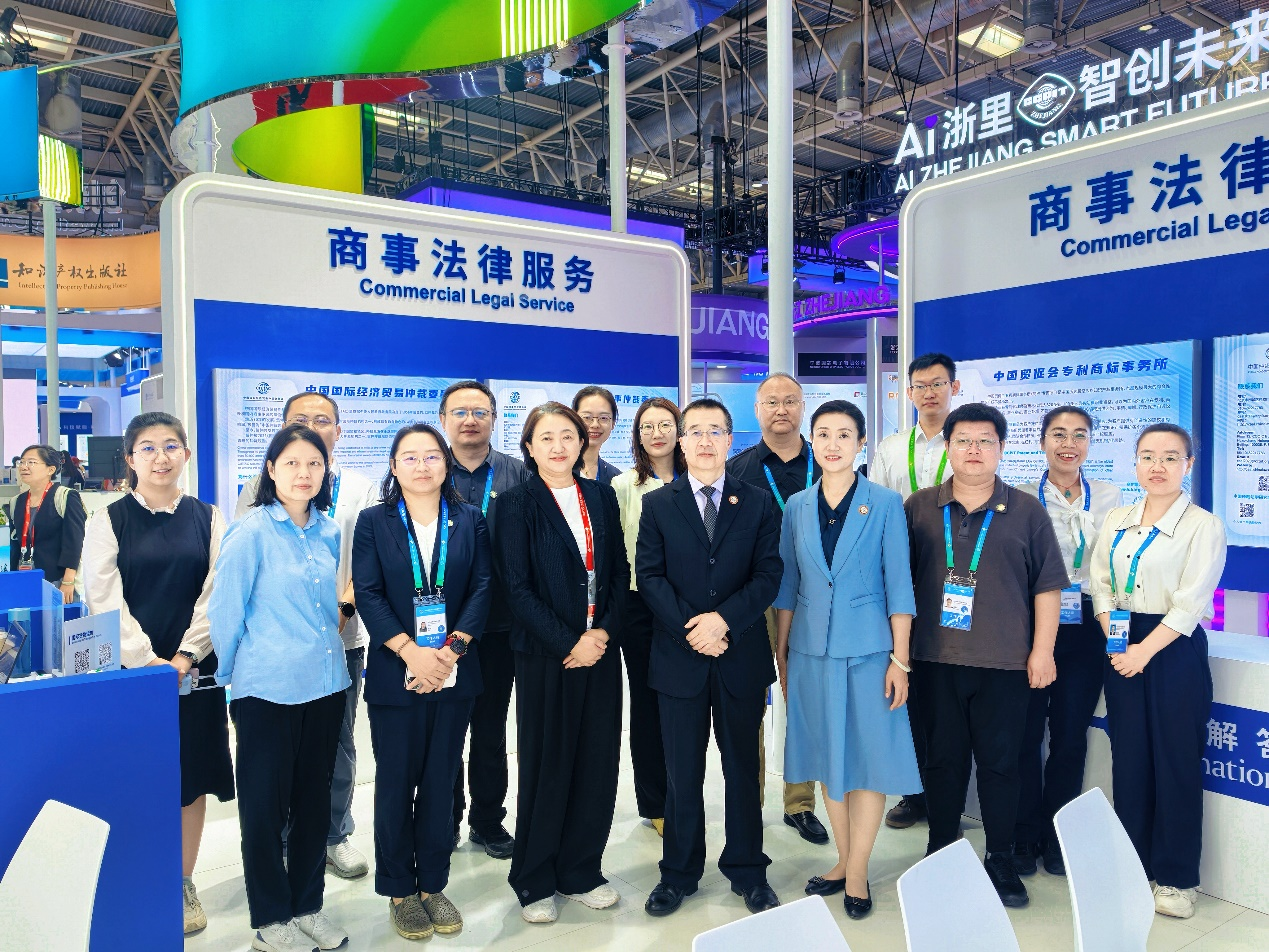
The 4th China International Supply Chain Expo (CISCE) ran from June 22 to 26, 2026, in Beijing. Hosted by the China Council for the Promotion of International Trade (CCPIT) and supported by five major international organizations including the United Nations Conference on Trade and Development (UNCTAD), the United Nations Commission on International Trade Law (UNCITRAL) and the World Intellectual Property Organization (WIPO), the CISCE centered on the theme “Connecting the World, Creating a Shared Future”. As one of the flagship legal service institutions under the CCPIT, China Maritime Arbitration Commission (CMAC) participated in the CISCE for the fourth consecutive year. On June 24, CMAC held the national training session for its new panel of arbitrators to strengthen arbitrator team building and improve the arbitration service quality. On June 25, CMAC officially released the Report on Supply Chain Dispute Resolution: Insights from Typical Arbitration Cases. Mr. NIE Wenhui, CCPIT Vice Chairman and CMAC Vice Chairman, delivered a keynote speech at the launch ceremony. Dr. LI Hu, CMAC Secretary General, presided over the launch event.
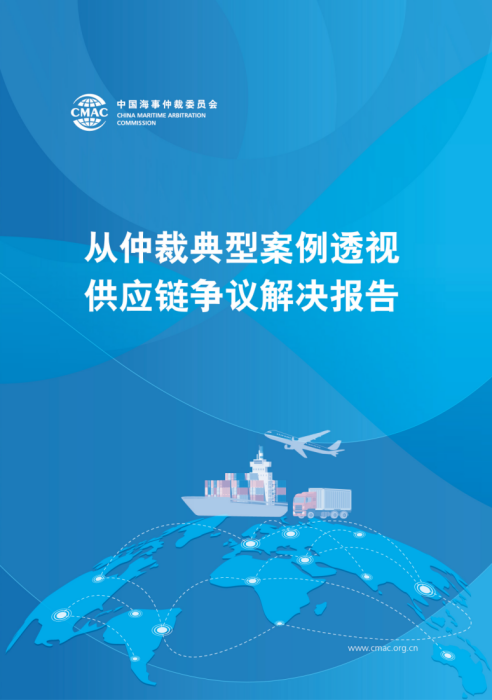
The Report analyzes the complex new landscape shaped by shifting external environment, reshaped international rules, intensifying geopolitical conflicts, disrupted trade corridors, frequent extreme weather events, stringent green and low-carbon mandates, and tightened due diligence obligations. It reveals the real difficulties faced by the security and stability of industrial and supply chains. The Report draws on 12 notable arbitration cases administered by CMAC, covering the upstream, midstream and downstream supply chain segments and supporting auxiliary services, including procurement and stockpiling, cross-border warehousing, shipbuilding, marine insurance, freight forwarding, inland and ocean shipping. the Report examines prevalent legal risks such as stockpiling losses, unilateral contract termination, wrongful liens, good faith letters of indemnity, tax rate adjustments and multimodal transport disputes, and provides practical rules and risk prevention guidance for entities. The Report also proposes pathways and practical suggestions for international supply chain dispute resolution mechanisms, which should evolve towards greater proactivity, integration, digital intelligence, value orientation and globalization, providing solid legal foundations for maintaining the resilience and stability of global supply chains.
Dr. LI Hu noted that CMAC will continue to deepen professional research linking maritime arbitration and supply chain governance, actively respond to industry demands, and advance arbitration services towards greater professionalism, internationalization and digitalization. Trough high-quality arbitration services, CMAC will ramp up efforts to unimpeded, secured and stable industrial and supply chains, and high-level opening-up.




 16 / F, International Chamber of Commerce building, 2 huapichang Hutong, Xicheng District, Beijing
 010-82217900, 82217767/7923/7735
 010-82217966
 cmac@cmac.org.cn
